Currently reading
Ancestral Recombination Graphs
Working through how local genealogies change across the genome, and how to make that structure easier to see.
Open reading notes
Research software · Applied AI
Pratik Katte / Research portfolio
I'm a graduate student at the Corbett-Detig Lab, working across evolutionary genomics, applied AI, and research software.
Currently reading
Working through how local genealogies change across the genome, and how to make that structure easier to see.
Open reading notesBooks + notes
Waste of a NationBook notes on garbage, growth, and waste systems in India.Selected work
From genomic visualization to public-health surveillance and clinical AI, each project connects a difficult research question to a usable interface.
Project notes
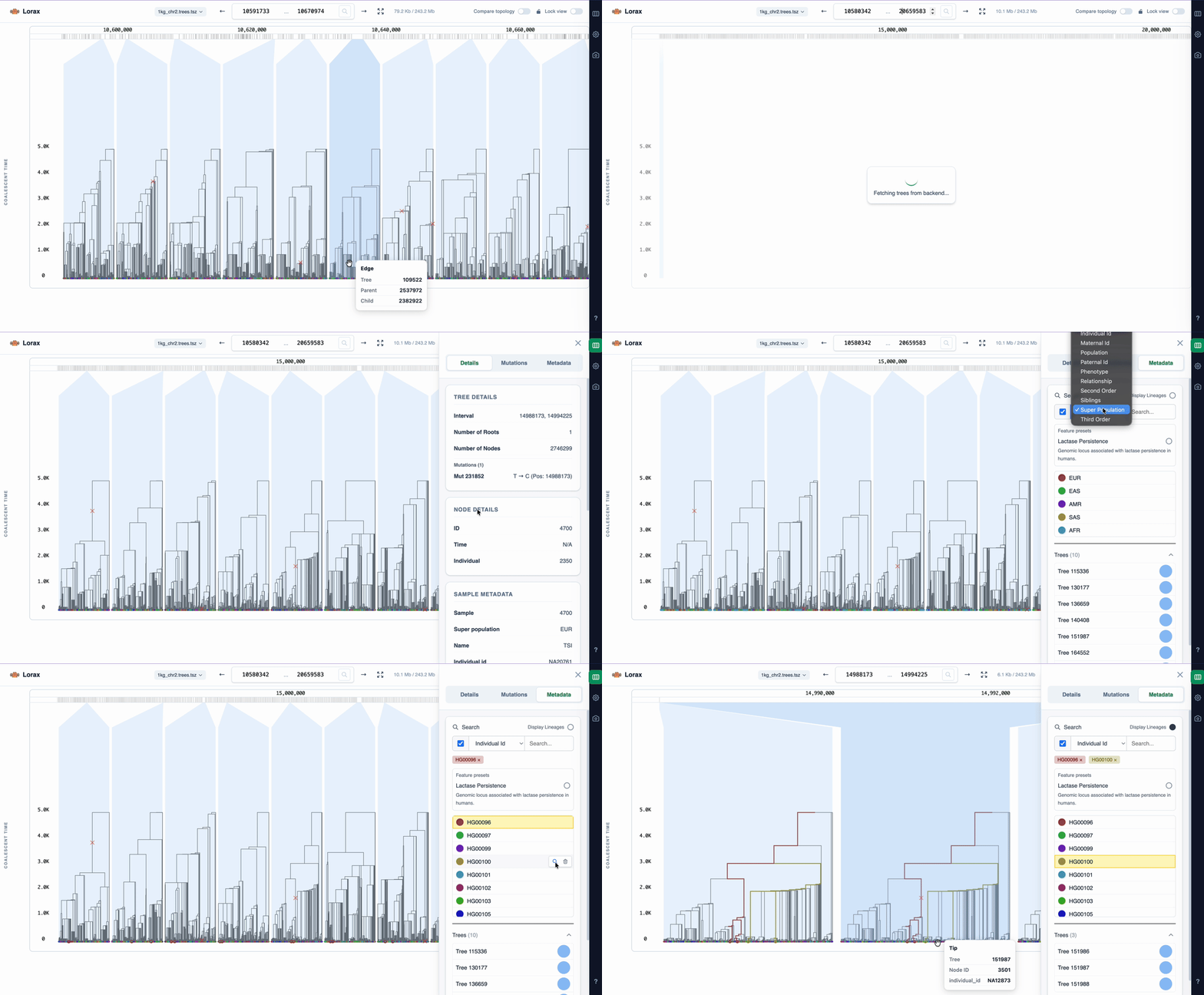
Interactive exploration of biobank-scale ancestral recombination graphs across the genome.
Makes local genealogy, coalescent time, variants, and sample metadata inspectable in one research interface.
Lorax helps researchers scroll across the genome and watch local genealogies change as recombination reshuffles ancestry.
The interface connects trees with branch length, variants, population labels, cohorts, and custom metadata so hidden ancestry patterns are easier to spot.
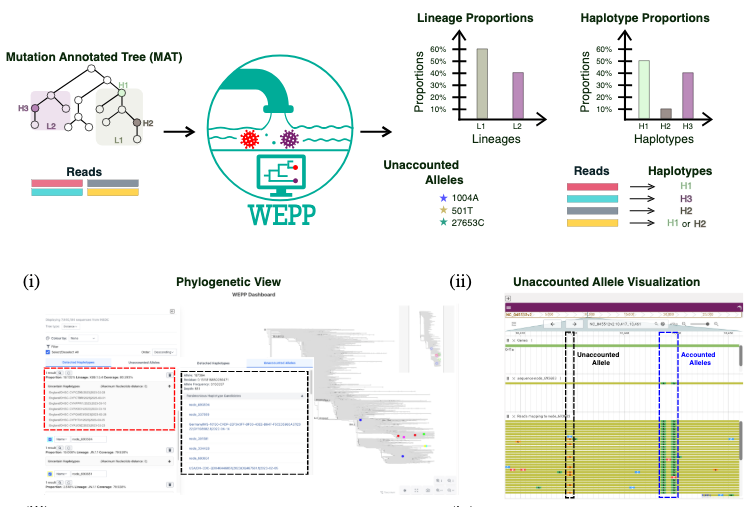
Wastewater-based epidemiology using phylogenetic placements for pathogen surveillance.
Moves wastewater analysis beyond lineage summaries toward haplotype-level signals and unexplained mutations.
WEPP places wastewater sequencing reads onto mutation-annotated phylogenies, infers likely haplotypes, and estimates their proportions.
The workflow is pathogen-aware but not limited to one pathogen, with dashboard support for tree, haplotype, lineage, and read-level interpretation.
Unaccounted alleles highlight mutations that the inferred haplotypes do not explain, giving teams a useful early clue for emerging variants.
An immersive, E. coli-inspired exploration of a Gram-negative bacterial cell.
Turns cellular structure into an approachable interactive experience for exploring biology on the web.
CellMap invites visitors inside a bacterial cell through a visual, web-based experience focused on the architecture of Gram-negative bacteria.
The project combines scientific storytelling with an immersive interface to make cellular structure easier to explore and remember.
An interactive genomic instrument that turns DNA, RNA, and protein sequences into browser-generated music.
Makes sequence translation tangible by mapping amino acids to piano keys and nucleotide modifiers to sound.
Genomic Piano lets visitors paste biological sequences and hear how nucleotides, codons, and amino acids become a playable composition.
The project combines genomics education, browser audio, and interactive design to make molecular information feel immediate and memorable.
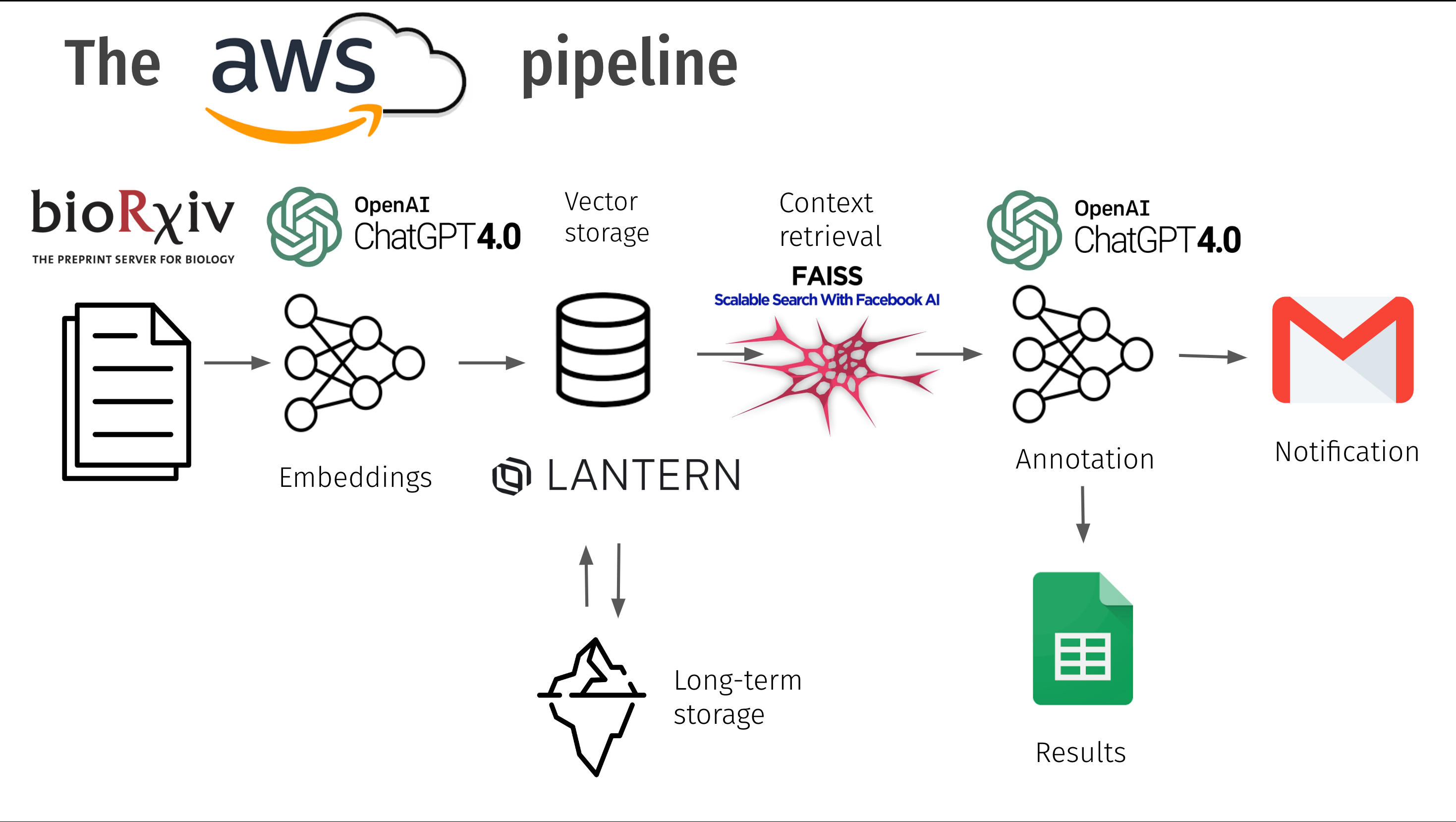
An LLM-powered workflow for finding biomolecular structure evidence in new preprints.
Won first prize at the 2023 QBI Hackathon at UCSF after a 36-hour prototype sprint.
StructHunt tracks bioRxiv and medRxiv papers that describe integrative biomolecular structures and surfaces them to the RCSB Protein Data Bank workflow.
The prototype used embeddings, retrieval, LLM summarization, Google Docs integration, email notifications, and AWS hosting.
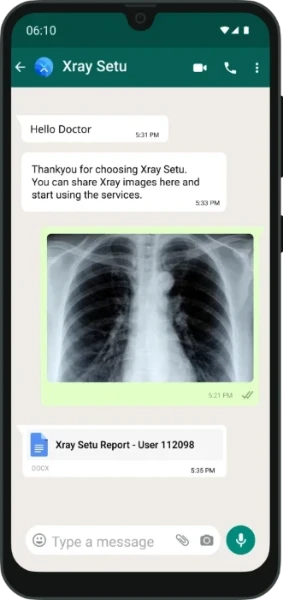
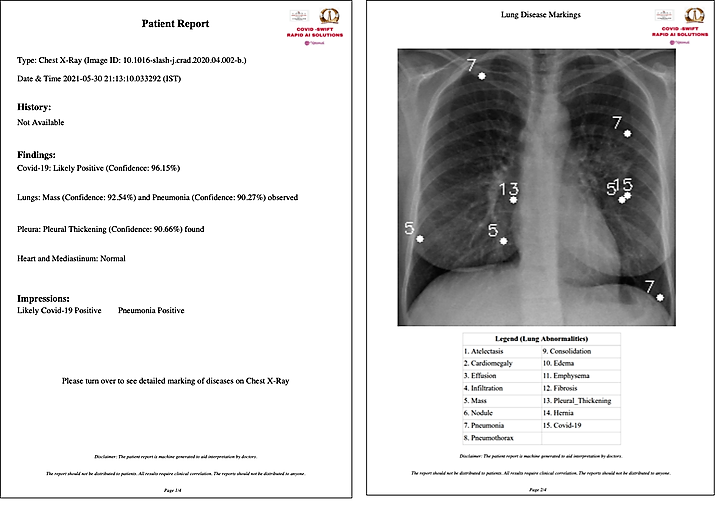
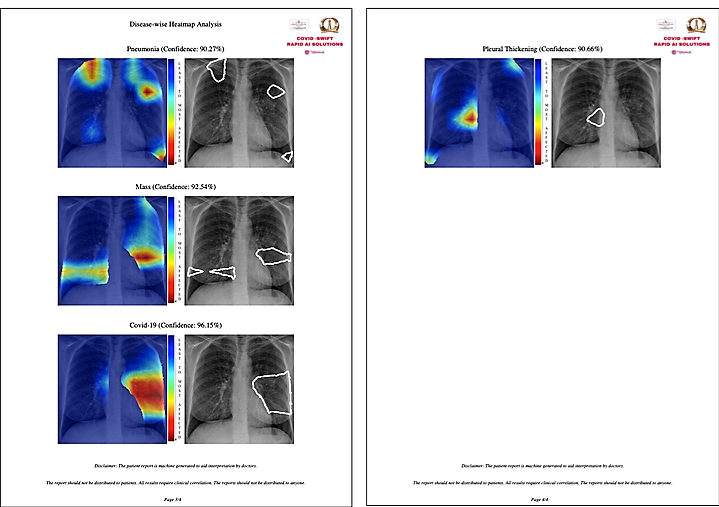
WhatsApp-based chest X-ray interpretation support for doctors during the COVID-19 crisis.
Helped doctors in resource-limited settings receive AI-generated reports from X-ray images sent over WhatsApp.
XraySetu was a collaboration between Niramai Health Analytix, the Indian Institute of Science, and ARTPARK.
The deep learning model produced reports for COVID-19 and other lung abnormalities, with interpretable markings to support clinical decisions.
The work received broad press coverage across Indian national media during the Delta wave.
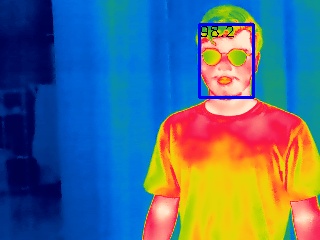
AI-assisted thermal screening for COVID symptoms, mask detection, and community screening workflows.
Deployed across more than 100 locations and used for more than 1 million screenings.
The system combined thermal camera input with lightweight deep learning for face detection, mask detection, and fever-screening support.
It was deployed in settings such as railway stations, corporate tech parks, and banks.
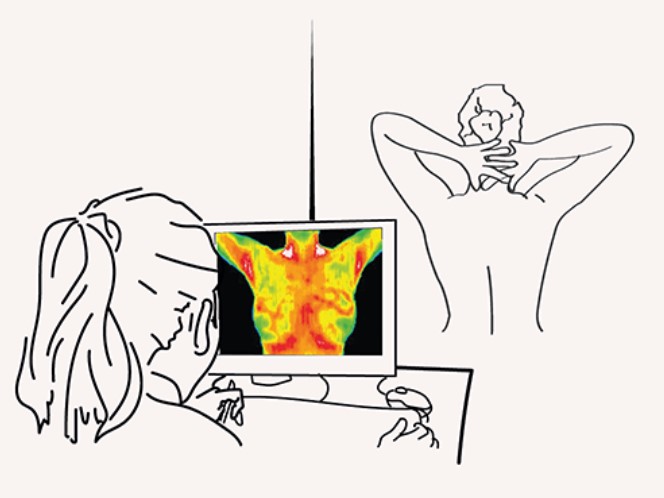
A desktop tool that guides technicians through high-quality thermal breast image capture.
Improved consistency and protocol compliance before images entered downstream AI screening.
The tool helped hospital technicians capture high-precision thermal breast images and upload them to the Thermalytix platform.
Deep-learning and image-processing checks caught common capture issues early, including framing, alignment, and protocol deviations.
A venture attempt to streamline household recycling by connecting people with local waste workers and recyclers.
Early startup experience in marketplaces, logistics, and the waste-management problem space.
Founded in 2019 with Venkat-sai to explore pickup-based recycling for plastics, cardboard, electronics, furniture, and other household waste streams.
The company did not continue, but it shaped a pragmatic view of operations-heavy climate and civic infrastructure ideas.